

Yolka: A New Year’s Tree; A Tree of Childhood Celebration
December 30, 2025 | Israel & Global
By Valery Viner, Jewish Connection Network’s Russian Speaking Parent Connector
Yolka, the New Year tree
As a child, born and partly brought up in the former Soviet country of Ukraine, Yolka played a significant part in my life and in every Soviet child’s life. It represented something magical because on the eve of New Year’s Day, December 31, Ded Moroz (Grandfather Frost) would come and place presents under the tree. And so, with great anticipation, every child would wait for the next morning to come, January 1, to open up the presents.
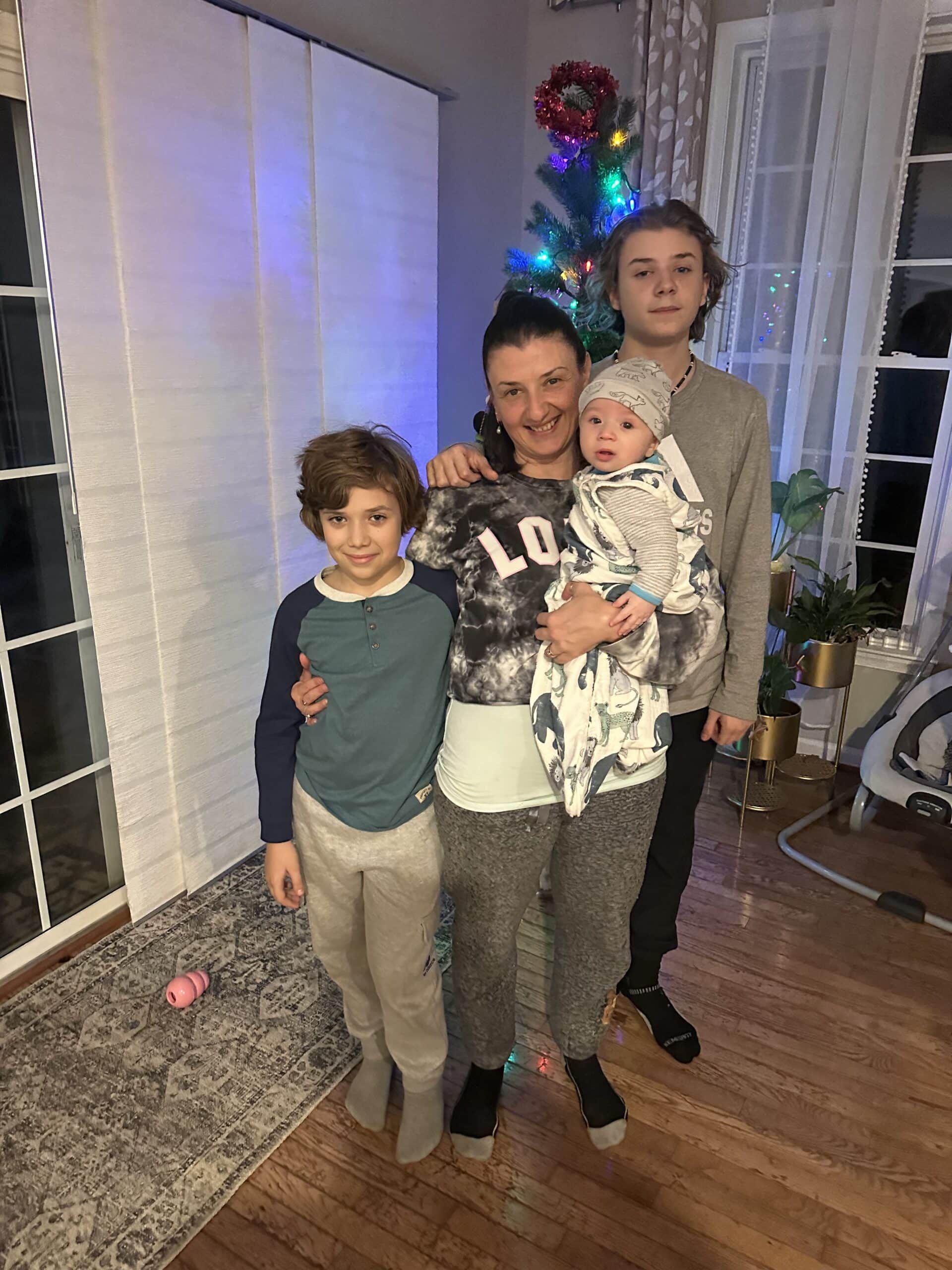
Thinking back, and even now, as I continue to carry and share that tradition with my children, Yolka and the tradition of celebrating New Year’s Day, has always meant something more to me. It symbolizes familial warmth, a new start to a new year, and a personal transformation. Thus, it’s a day that I look forward to the entire year.
Yolka, the event
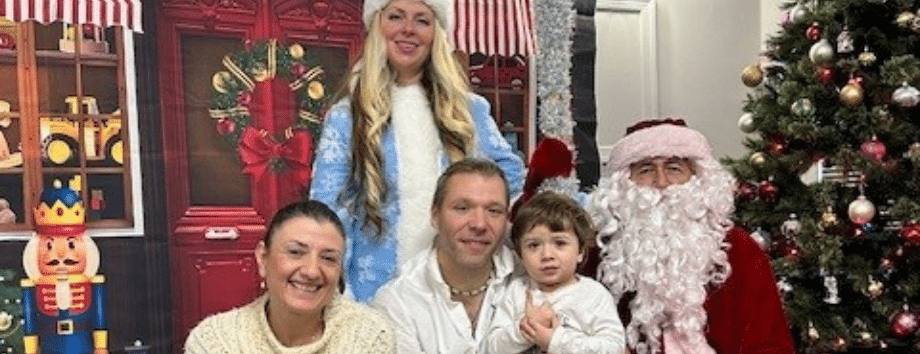
Yolka plays a central role in the preparations for New Year’s Day. The process of finding the perfect tree, bringing it home, hearing the pine smell, decorating it with fragile glass toys, mandarins, and candies, was always part of the preparation process. Then there were special Yolka events and celebrations for kids of all ages with games, prizes, theatrical performances, and horovod, where kids would walk around the tree, holding hands, with Ded Moroz and Snegurachka (Snow Maiden, or sometimes known as Grandfather Frost’s granddaughter), and sing holiday songs. In addition, kids would come prepared to recite holiday poems to Ded Moroz as a token of appreciation for the presents they were about to receive.
History of the Yolka tradition
The original Yolka tradition was formalized in 18th century, under Peter the Great, the first Emperor of Russia. He brought this tradition from European culture, as it already existed there for hundreds of years, going back to Pagan times. After the adoption of the Julian calendar, he signed a decree that New Year celebrations on January 1 should include fir, pine, and juniper decorations. Over time, ornamented trees appeared in front of village parishes, embodying both local and European influences.
In the 19th century, the Empress Alexandra Feodorovna, wife of Nicholas II, brought a pine tree into the Russian royal household during Orthodox Christmas, which is celebrated on January 7. By the late 1800s, this popularized the practice of giving gifts to both royal and impoverished children. Over time, elaborately adorned Yolki (pl) had become central to holiday festivities, making gift-giving a cherished tradition.
Also, during this period, Ded Moroz emerged as a pivotal figure in Russian folklore, thanks to Vladimir Odoevsky’s fairytale, “Moroz Ivanovich” (1840) and Alexander Ostrovsky’s play The Snow Maiden (1873), establishing him and Snegurachka as benevolent gift-giver characters.
Later, in the 1930s, during the Soviet Era, Ded Moroz was fully established as the secular symbol for the Soviet New Year (Novy God), becoming a socialist alternative to Christmas figures, delivering gifts with his granddaughter, Snegurochka, on New Year’s Day, as opposed to January 7, Christmas Holiday. To this day, Ded Moroz has been the symbol of the now former Soviet New Year’s Day celebrations, bringing magic to kids every year.
Conclusion
Fortunately, the Yolka festivities and traditions are still practiced today, not just in Russia and former Soviet countries, but here in the USA and Europe. Immigrants from the former Soviet Union living all over the world continue to mark New Year’s Day with Yolka celebrations, giving their children the feeling of joy and wonder as they remember having them in their childhood.